Detroit de Ormuz Iran: Critical Waterway in the Spotlight
Context and Geography
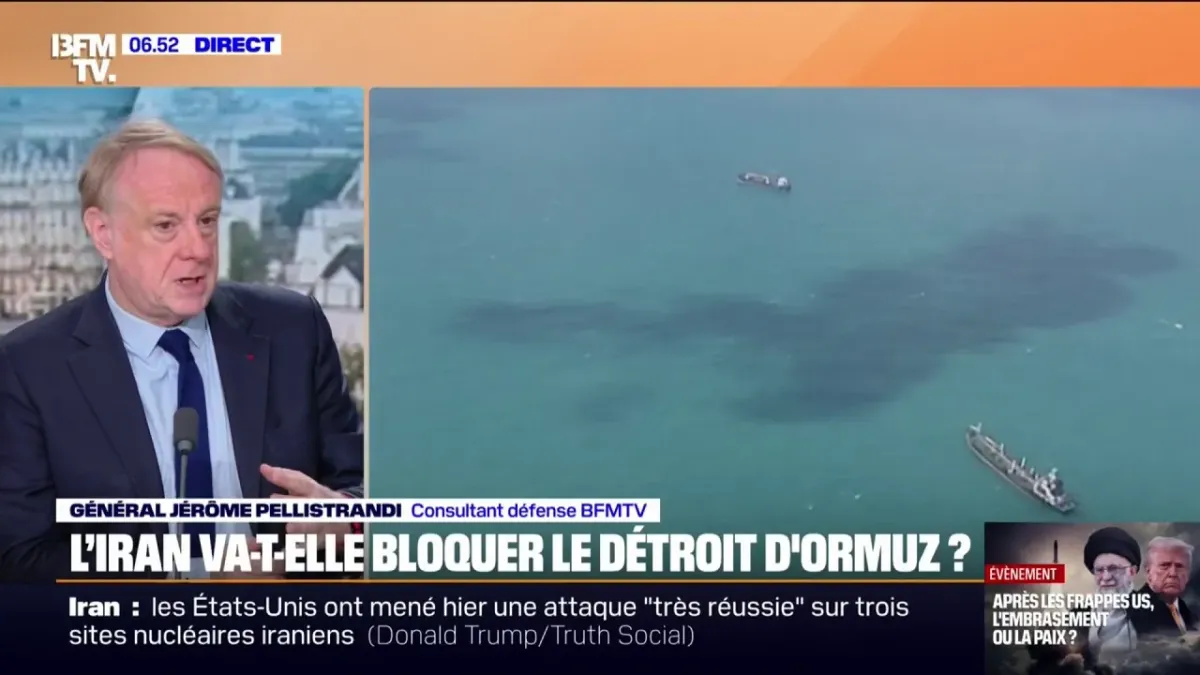
The Detroit de Ormuz is approximately 21 miles wide at its narrowest point, making it a significant chokepoint in international trade. Located between Iran and Oman, the waterway is a crucial passage for oil tankers and other ships. The geography of the area, with the Strait of Hormuz bordered by Iran to the north and the United Arab Emirates and Oman to the south, makes it a sensitive region.
Details of the Threat
Iran's threat to close the Detroit de Ormuz comes amidst rising tensions with the United States and its allies. The country has been facing economic sanctions and has seen its oil exports significantly reduced. By threatening to close the Detroit de Ormuz, Iran is attempting to exert pressure on the international community to ease these sanctions. The potential consequences of such an action would be severe, with oil prices likely to skyrocket and global trade disrupted.

Implications for the Global Economy
The closure of the Detroit de Ormuz would have significant implications for the global economy. Oil prices would likely increase dramatically, leading to higher fuel costs and potential shortages. This, in turn, would affect a wide range of industries, from transportation and manufacturing to consumer goods. The impact would be felt globally, with countries that rely heavily on oil imports, such as the United States, China, and Japan, being particularly affected. Additionally, the closure of the Detroit de Ormuz would also disrupt global trade, as ships would need to take alternative routes, leading to increased transportation costs and times.
Pourquoi Un Blocage Du Détroit D'Ormuz Entre L'Iran Et Le Golfe Aurait
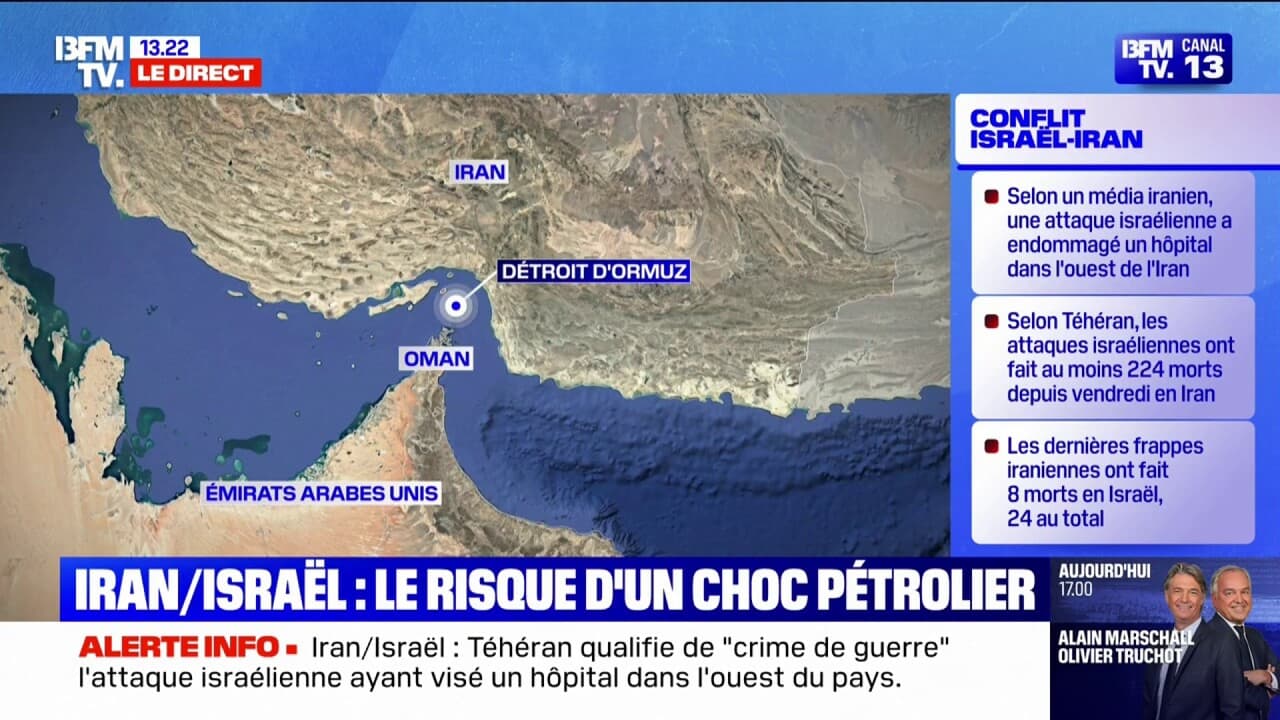
Pourquoi un blocage du détroit d'Ormuz entre l'Iran et le Golfe aurait ...
L'Iran Dit « Contrôler Totalement » Le Détroit D'Ormuz | Radio-Canada
;Composite=(type=URL,url=https://images.radio-canada.ca/v1/assets/elements/16x9/outdated-content-2018.png),gravity=SouthEast,placement=Over,location=(0,0),scale=1)
L'Iran dit « contrôler totalement » le détroit d'Ormuz | Radio-Canada
Un Oléoduc Pour Contourner Le Détroit D'Ormuz | Radio-Canada
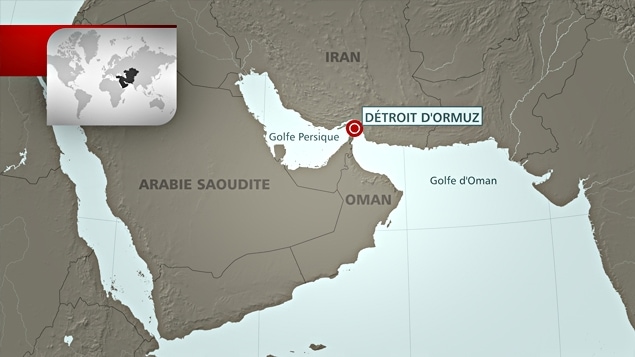
Un oléoduc pour contourner le détroit d'Ormuz | Radio-Canada